
Verbs: The Heartbeat of Language
Verbs are the dynamic core of any language, the elements that convey action, occurrence, or state of being. They are the engines of sentences, driving the narrative forward, expressing emotions, detailing events, and describing conditions. This article delves into the world of verbs, exploring their types, functions, and the pivotal role they play in communication.
The Role of Verbs
At their essence, verbs do the following:
The Infinitive: A Verb's Potential and Versatility

In the landscape of language, the infinitive form of a verb serves as a foundational element, embodying the purest, most basic form of a verb.
Transitive and Intransitive Verbs: Understanding Their Functions in Sentences
In the realm of grammar, verbs are the engines that drive the action or state of being within sentences. They are pivotal in expressing what is happening, who is doing it, or what is being said about someone or something. Among these, transitive and intransitive verbs hold special significance due to their structural roles in sentences. Here, we delve into the nuances of these two types of verbs, exploring their definitions, differences, and uses.
Transitive Verbs
The Evolution and Revolution of Teaching and Learning Methods
Introduction
Education is an ever-evolving field, influenced by psychological theories, technological advancements, and societal needs. As we strive for inclusivity, engagement, and effectiveness in learning, various teaching methods have emerged, each with its unique approach to imparting knowledge and skills. This article explores an array of these methods, from traditional to cutting-edge, providing insights into their application, benefits, and challenges.
Section 1: Direct Instruction
Methods of Teaching: Enhancing Learning Experiences
Life Processes
The main life processes are:
How I spent my summer holidays

Types of Chemical Reactions
Reactions can be classified on the basis of their specific properties. Since there is no uniform criteria for classification, one reaction can fall into various types simultaneously.
Newland’s Law of Octaves
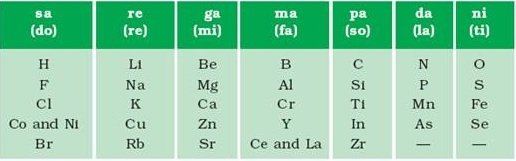
In the year 1864, the British chemist John Newlands attempted the 62 elements known at that time.